LEAVE A VALUABLE LEGACY ON WORLD ORGAN DONATION DAY
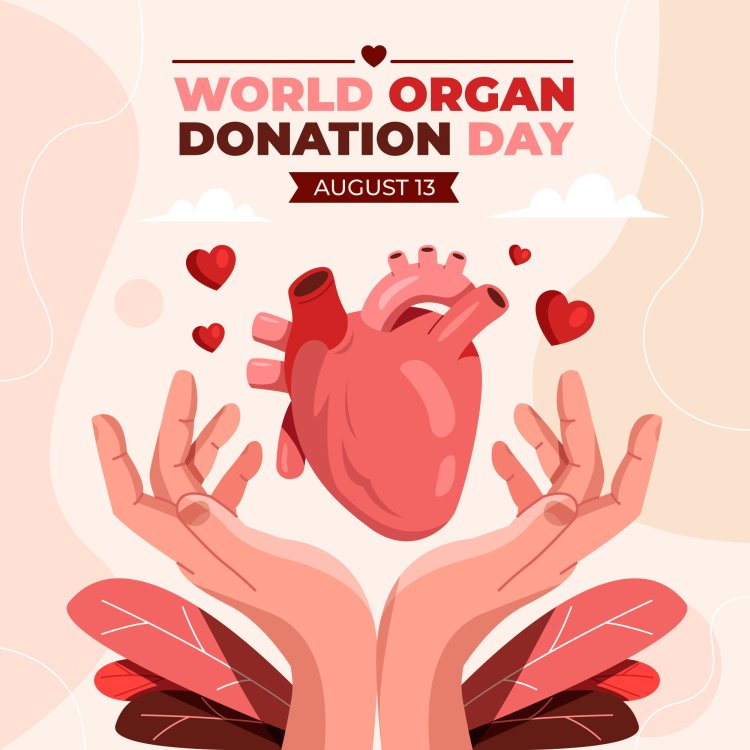
This World Organ Donation Day, Malla Reddy Multispeciality Hospital celebrates all the people who have gifted an extended life to someone through donating their organs. One of the best legacies you can leave is to donate an organ, and we have seen how many lives have been impacted in these cases.
Often we are asked, what is living donation. In the case of living donation, a living person donates an organ or part of an organ for transplantation. Most living donors donate one of their kidneys or a part of their liver. Living organ donors make thousands of transplants possible every year. Relatives, loved ones, friends, and even individuals who wish to remain anonymous, often serve as living donors so that patients do not have to wait for an organ and thus they receive a fresh lease of life.
Those considering living donation, must gather as much information as possible before going in for this procedure. A living donor should be in good overall physical and mental health, and above eighteen years of age. Those individuals with medical conditions such as high blood pressure, diabetes, cancer, certain infections, or an uncontrolled psychiatric condition, may not be considered for living donation.
Further, since some donor health conditions could harm a transplant recipient, it is important one shares all the information about their physical and mental health. Also, you must be fully informed of the known risks involved with donating an organ, and complete a full medical and psychosocial evaluation. Your decision to donate should be completely voluntary and free of pressure or guilt.
The kidney is the most commonly transplanted organ from a living donor. One entire kidney is removed and transplanted. Living liver donation, where a segment of the donor’s liver is transplanted, occurs less often, and the donor is usually related to the recipient.
In a directed donation, the donor names the specific person to receive the transplant. This is the most common type of living donation. The donor may be a biological relative, such as a parent, brother, sister or adult child; a biologically unrelated person who has a personal or social connection with the transplant candidate, such as a spouse or significant other, a friend or a coworker, or a biologically unrelated person who has heard about the transplant candidate’s need.
If tests reveal that the donor would not be a good medical match, paired donation may be an option.
Sometimes a transplant candidate has someone who wants to donate a kidney or liver to them, but tests reveal that the organ would not be a good medical match. Kidney paired donation (KPD) and liver paired donation (LPD) give transplant candidates another option. In KPD and LPD, living donor organs are swapped (kidney for kidney or liver for liver) so each recipient receives a compatible transplant.

Dr. Surya Narayana M,
Consultant Nephrologistat
at Malla Reddy Narayana Multispeciality Hospitals
Dr. Surya Narayana M, Consultant Nephrologist at Malla Reddy Narayana Multispeciality Hospitals says : “ Awareness and Volunteering Organ donation after death is the other option of saving 8 to 10 lives apart from Living Organ donation. Organs such as the heart, liver, kidneys, lungs, and others can each contribute to saving a life. Additionally, tissues like corneas, skin, and bones can enhance the quality of life for several others. This generous act makes organ donation a powerful means of giving the gift of life to those in need. In my personal opinion a donor and his family are giving a gift which only a God and medical teams can give for which there are no words for”.
Malla Reddy Hospital has all the capabilities to handle even the most complex organ transplants. Whether you come as donors or recipients, our team of highly experienced specialists handle each case with skill and efficiency.
 Disclaimer: Welthi.com does not guarantee any specific results as a result of the procedures mentioned here, and the results may vary from person to person.