Standing with Science Why Your Health Deserves a Blueprint, Not a "Quick Fix"

Standing with Science:
Why Your Health Deserves a Blueprint, Not a "Quick Fix"
We live in a world that moves at the speed of a fiber-optic cable. In our professional lives - especially here in the bustling economic hubs of Hyderabad, we demand efficiency, speed, and immediate results. Unfortunately, this "on-demand" culture has bled into how we treat the most complex machine we will ever own: the human body.
As we observe World Health Day 2026, the global community is rallying behind the theme "Together for Health, Stand with Science." It is a timely call to action. In an era where "health influencers" and "wellness hacks" dominate our digital feeds, we are witnessing a dangerous shift away from evidence-based medicine toward the allure of the "quick fix."
Every day in my OPD, I meet patients who are highly successful, intelligent professionals. Yet, when it comes to their health, many have fallen for the trap of the shortcut. Whether it’s a "7-day detox" to reverse years of poor eating, or a "miracle supplement" promised to cure insomnia, the motivation is the same: the desire for results without the rigors of the process.
But here is what science tells us: Biology does not recognize shortcuts.
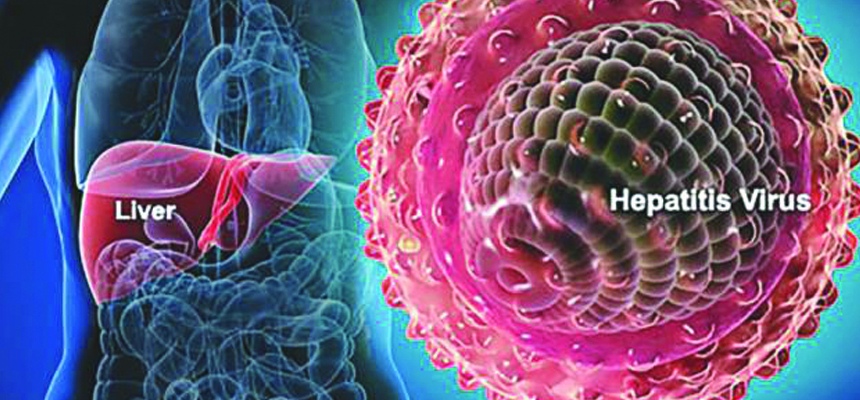
Chronic conditions like Type 2 Diabetes, hypertension, and fatty liver disease do not happen overnight. They are "silent" processes - molecular shifts that occur over years of systemic inflammation and metabolic stress. Trying to fix these with a weekend retreat or a trendy diet is like trying to repair the foundation of a skyscraper with a coat of paint. It might look better for a week, but the structural integrity remains compromised.
The Scientific Reality: Moving Beyond the "Band-Aid"
Standing with science means embracing the "One Health" approach - an understanding that our internal health is inextricably linked to our external environment. For the modern urban professional, the environment is often a cocktail of sedentary desk hours, high-cortisol deadlines, and processed convenience foods.
When we look at health through the lens of Internal Medicine, we don't just see a symptom; we see a system. A persistent headache in a corporate manager isn't just a "painkiller deficiency." Scientifically, it could be a manifestation of obstructive sleep apnea, uncontrolled hypertension, or chronic postural stress. By taking a "quick fix" pill, you aren't solving the problem; you are simply cutting the wire to the smoke alarm while the fire continues to burn.
The Hyderabad Pulse: A Case for Precision
In our local context, we face unique challenges. The high-pressure environment of Hyderabad’s IT corridor has created what I call the "Corporate Athlete" syndrome. We expect our bodies to perform at peak capacity for 12 to 14 hours a day, often on minimal sleep and erratic nutrition.
Science-led prevention focuses on Precision Screening. Modern preventive medicine at Star Hospitals utilizes advanced biomarkers - such as highly sensitive C-reactive protein (hs-CRP) to measure cardiac inflammation, or continuous glucose monitoring (CGM) to see how your body actually reacts to that "healthy" office lunch. This data provides a blueprint, not a guess.
The Scientific Blueprint: Daily Pointers
• Know Your Numbers: Aim for blood pressure below 120/80 mmHg and HbA1c below 5.7%. These are your body’s early warning systems.
• Movement "Snacks": Sitting is a silent threat. For every hour at your desk, walk for 5 minutes to reset insulin sensitivity and clear triglycerides.
• Prioritize Sleep: Aim for 7–8 hours. This allows your brain’s "glymphatic system" to clear metabolic waste accumulated during high-stress workdays.
• The 80% Nutrition Rule: Ensure 80% of your plate consists of whole, fiber-rich plants and lean proteins to protect your gut microbiome and slow sugar absorption.
• Strategic Screening: Opt for science-backed tests that is age-appropriate and advised by your Doctor.
• Vagus Nerve Care: High stress equals systemic inflammation. Dedicate 10 minutes daily to deep diaphragmatic breathing.
• Intentional Hydration: Drink 2.5 to 3 liters of water. Dehydration often mimics fatigue and "false hunger," disrupting your metabolic focus.

Dr. Sandeep Ghanta
Sr. Consultant – Internal Medicine
STAR Hospitals, Nanakramguda
 Disclaimer: Welthi.com does not guarantee any specific results as a result of the procedures mentioned here, and the results may vary from person to person.