THE TRUTH ABOUT PCOD, WHAT YOU NEED TO KNOW
THE TRUTH ABOUT PCOD, WHAT YOU NEED TO KNOW
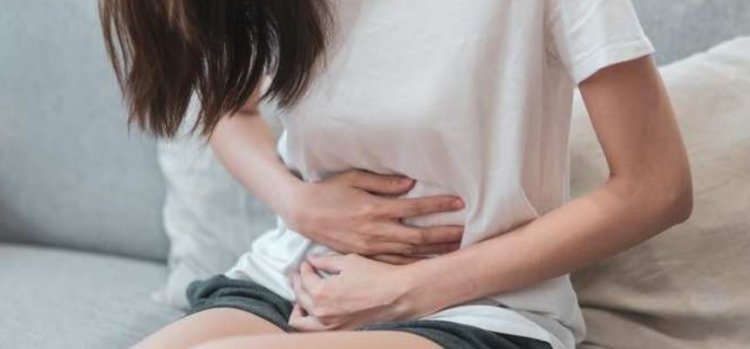
PCOD, or Polycystic Ovary Syndrome, is a hormonal disorder that can cause irregular periods and other symptoms. You may have PCOD if you have six or more cysts of < 1 cm size on your ovaries, have irregular menstrual cycles, are infertile, have excess hair on your face or body, are overweight—or all of the above. PCOD is under-recognized but highly treatable.
- It is not true that you don’t have to worry about PCOD, if you’re not looking to get pregnant
- Everyone with PCOD are not obese or overweight
- Not everyone with irregular menstrual cycle has PCOD
- Having PCOD doesn't mean you can’t get pregnant

PCOD can lead to heavy or long periods, mood swings, acne, weight gain, and depression. Here are some ways to know if you have PCOD and how to manage the symptoms says "Dr. Kiranmai Chakravarthi, Consultant Obstetrician & Gynaecologist, Star Hospitals
SYMPTOMS OF PCOD
- Irregular periods / very light periods / heavy flow
- Male pattern hair growth
- Weight gain
- Elevated levels of male hormones
- Acne or oily skin
- Infertility
- Multiple small cysts in the ovaries
HOW TO MANAGE PCOD?
If you have PCOD, there are a variety of ways to manage the symptoms. The first step is to see a doctor for a diagnosis and treatment plan. A Gynaecologist can help determine what kind of PCOD you have – there are different types – and provide treatments that work for your specific case. Your doctor may prescribe birth control pills that will regulate your hormone levels, insulin sensitizers, or medications to treat any underlying conditions. In some cases, weight loss may be prescribed as well as an exercise regimen.
In addition to receiving treatments from your physician, it is important to maintain a healthy lifestyle so that PCOD does not negatively impact other aspects of your life. It is recommended that you eat a balanced diet and stay active by eating healthy and exercising at least three times per week. You should also drink plenty of water throughout the day and avoid smoking or drinking alcohol. By taking care of yourself, you will lessen the risk of developing complications like diabetes and high blood pressure as well as reduce any anxiety or depression related to your condition
Book Appointment: Dr. Kiranmai Chakravarthi, Consultant Obstetrician & Gynaecologist, Star Hospitals
Tags:
 Disclaimer: Welthi.com does not guarantee any specific results as a result of the procedures mentioned here, and the results may vary from person to person.