Winter binging – Eat right to stay fit
It is but common to eat more and even prefer high calorie food in winter as it is more like a reaction to keep ourselves warm in the cold months. Our bodies crave for high calorie foods as a precautionary measure to avoid the chills.
For some, the food cravings in winter can be in connection with a bodily reaction, to beat a phase of seasonal depression, also known as seasonal Affective Disorder. SAD is associated with serotonin, which contributes to depression. High carb and fatty foods increase the level of serotonin and make one feel happy. Omega-3 foods and dark chocolate, in moderate amounts, promote the happy feelings.
The shorter days and dark nights, apart from the cold outdoors, make one reduce movement and we feel lazy. When we are less active, we tend to fill the leisure by binging, which makes one gain weight and go out of shape. These apart, with Mother Earth giving vegetables and fruits in plenty this season, one feels like indulging in eating during the festival occasions, lined up in winter.
To avoid these tendencies, Dr P. Janaki Srinath, Senior Consultant Nutritionist, gives us insight and some tips.
Q1. Can you suggest ways for one to control their cravings in winter.
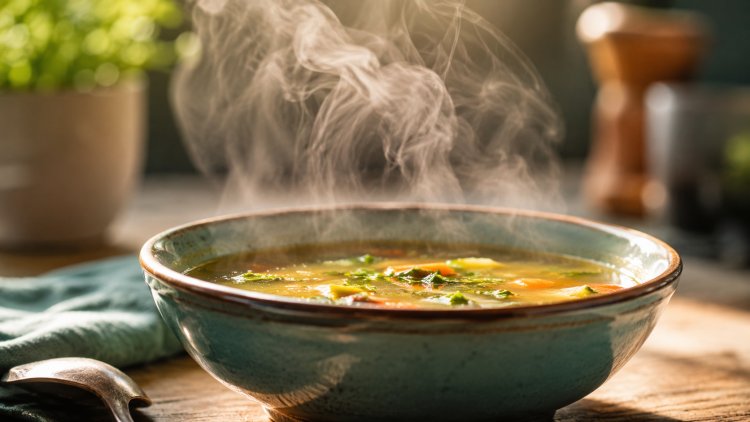
One can choose more vegetables, green leafy vegetable thick soups, hot steamed vegetables, spicy stir fried vegetables, coupled with spices such as peppers, garlic, red chilli flakes. Spices will satisfy the palate and improve metabolism too, though being low calorie diet. Other low-calorie protein sources like eggs, egg white, soy nuggets will ensure supply of amino acids to help the muscle component sustain and promote calorie utilisation.
 Q2. What are the foods to be avoided?
Often, people suggest taking ghee and nuts in winter as they generate heat but as most of us live in temperature-controlled environment and do not expose ourselves to harsh temperature, more fats and nuts are not required in winter. Pickles loaded with salt and oil, processed and store bought soups, deep fried namkeens, oily chats should be avoided.
Q3. What foods must be opted for to keep the stomach full and make one feel warm in winter?
Thick pureed vegetable, green leafy vegetables with added fibre such as oat bran, barley, ebible gums are low-calorie satiating foods and keep the body warm. Traditional bajra kitchidi, ragi nachini porridges will also help. Eggs, paneer, milk are also satiating and help in maintaining the warmth.
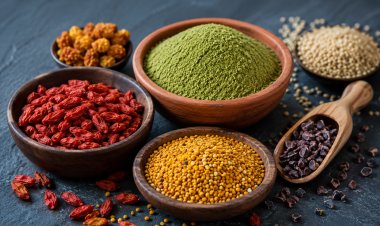
Wholegrain-based food for main meals such as chakki-based atta, sufficient quantities of lobia, rajma, along with flax seeds, horse gram will provide sufficient amount of Vitamin E and essential fatty acids. Unpolished cereals and dals, coupled with vegetables and wholesome spices, such as mustard, ginger, turmeric, pepper, cinnamon will help boost immunity power. Do not forget to choose a healthy cooking oil.
Q4. How can we overcome the laziness most of us feel during winters?
Planning and adhering to fixed routine is important. By incorporating outdoor activities with friends in the schedule, we can drive away boredom. Exposing oneself to pleasant outdoors to sunshine, colourful blooms promotes metabolism and production of Vitamin D, which improves the health of bones that can relax joints.
Q5. How can one try to be active?
With the help of trainers, start slowly and learn the techniques right without straining the body. Be patient as it takes some time for the body to adapt to the exercise routine. Initially, the trainers focus on the time spent on exercise but as the body adapts, they focus on speed. Think beyond walking, many parks have open exercise machines which are easy to operate.
For Appointments : Dr P. Janaki Srinath, Senior Consultant Nutritionist.
Ph No : 66637910, 9392760669
 Disclaimer: Welthi.com does not guarantee any specific results as a result of the procedures mentioned here, and the results may vary from person to person.